Posted in

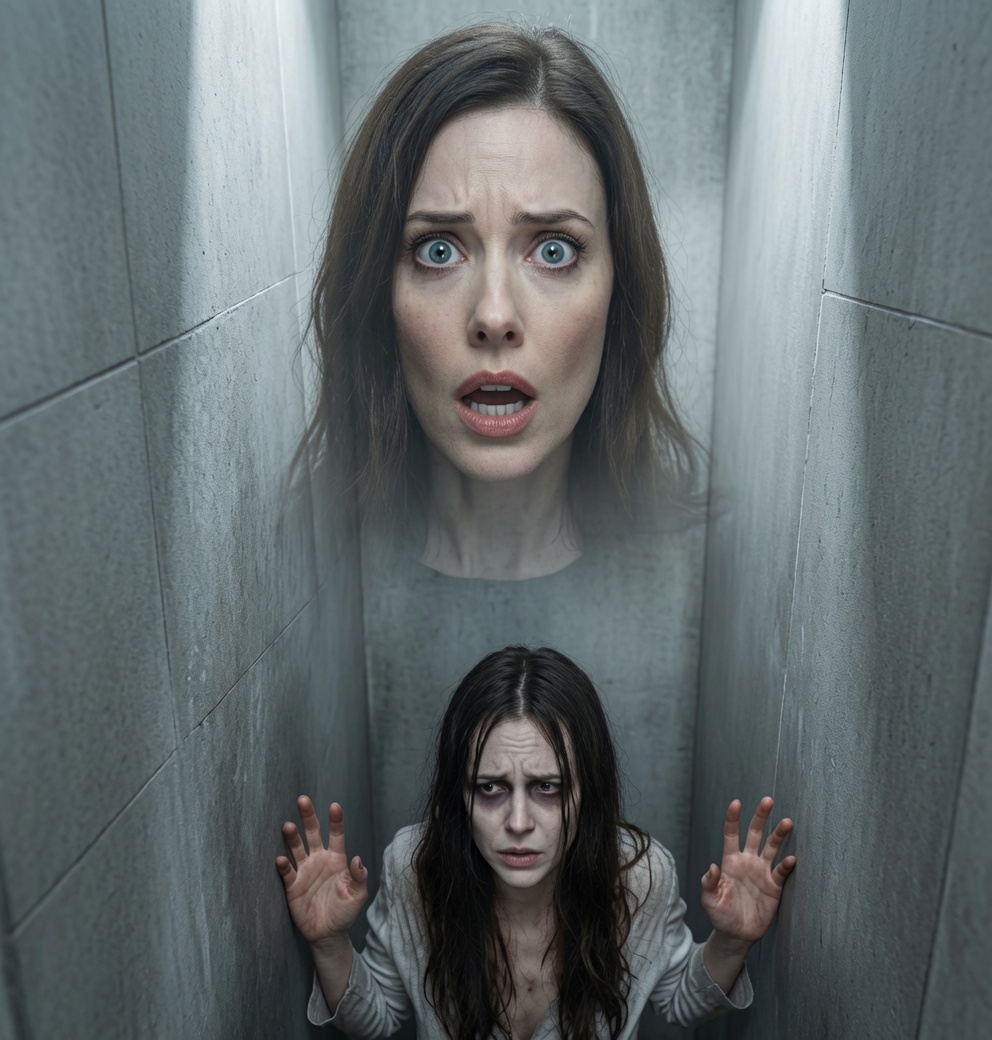
My sister was just a faint scream echoing up the storm drain, but that was before I realized the entire mansion was a grave she had been digging with her bare hands for five years. They all thought she was a ghost of a family secret, but I was about to prove her a very corporeal, and very vengeful, woman.

Signature: Vy2SqsUXY+tqiJbnqDj47pmyAcfh/sNFFn2bUyDI6ioBtJ0lvK/O8+C/pN12CbB56d7qI9Al9VGbbntaNTPTE7HyCKLtwfdkIOJkPl+NUa5Sv+XmPbUzdDUkZiZQrmgfMtRxLJXb2IH5aEoaeb0Q4ivBifnCnGCgtcT2DQSKVsanrDftKrCvXfkZlATp69q3vkbU6vr+dp9qXvtYkcTYiw==
PART 1
Seattle is never quiet. It hums with the relentless sound of rain against glass, a persistent white noise that usually masks everything else. We lived in a house that mirrored that atmosphere: opulent, vast, and suffocatingly silent. My name is Elara Vance, and for my twenty-eight years, I was the quiet one. I was the observer. I observed how my family, the Vance dynasty of maritime law, meticulously maintained an image of pristine perfection while rot festered in the foundation.
And by “foundation,” I mean the sub-basement.
We were told it was just an old, structurally unsound coal cellar, sealed decades ago. We, meaning my brothers, Julian and Adrian, and myself. We were instructed never to go near it, not for fear of ghosts, but for fear of the house collapsing. My father, Silas Vance, was a man who ruled by calm assertion and calculated distance. My mother, Eleanor, was his elegant shadow, her mind drifting on a sea of prescription medication. We never questioned the rules. The silence of the Vance house was as sacred as its wealth.
Until I started hearing her.
It wasn’t a scream, initially. It was a rhythmic, scratching pulse. Like a fingernail drag across wet stone. It was localized. I only heard it from my bedroom, which was situated above the northwest corner of the house. Scritch. Scritch. Scritch. For weeks, I convinced myself it was the ancient plumbing, or perhaps the rats that sometimes infiltrated the massive walls. But rats don’t drag their claws in three steady beats, pause, and repeat.
One rainy Tuesday night, when the rest of the house was deep in its heavy silence, I knelt by the baseboard and pressed my ear to the cold wood. The sound stopped instantly. Wait. My breath caught. The scritching hadn’t stopped; the pattern had. It was now erratic, almost like an urgent tapping. Tap. Tap-tap. Tap. My heart, usually a sedate metronome, began to thrash. It was communication.
“Is… someone there?” I whispered, feeling ridiculous, my voice barely audible over the rain.
The tapping stopped. The silence rushed back in, heavy and accusatory. Then, a voice. Or rather, a vibration that sounded like a voice, strained and cracked, like dry leaves being crushed. It didn’t come through the floor, but through a small, overlooked maintenance vent.
“Elara…?”
The breath in my lungs evaporated. I scrambled back, my eyes wide. No one had used my full name in that specific, terrified tone in five years.
“Who are you?”
“I’m… I’m your sister, Elara. Don’t go. Please. It’s Maeve.”
Maeve. My older sister. The one who had ‘disappeared’ during a backpacking trip in the Alps when I was twenty-two and she was twenty-four. We were told she had gone missing in a storm, a tragic accident, body never recovered. The grief had been the defining silence of our lives ever since. My parents never spoke of her, their faces hardening whenever the topic arose.
“No… Maeve is dead. Who is this?” I demanded, my hands trembling as I reached for my phone, ready to dial for help.
“I’m not dead. They’re… they’re keeping me down here. Silas… Eleanor… they put me in the stone room. Elara, you have to help me. It’s so cold.”
I froze. No kidnapper, no prankster, would refer to my parents as ‘Silas’ and ‘Eleanor.’ And “the stone room”? My breath was coming in short, sharp hitches. That was her name for the sealed sub-basement when we were kids, back when we were curious and played explorers before the doors were locked for good. It wasn’t just a physical space; it was our secret world.
The realization didn’t hit me; it washed over me like a freezing ocean wave. My parents—the pillar of the community, the icons of rectitude—were keeping my dead sister captive. It was an atrocity so colossal, so personal, that my mind momentarily refused to process it. All my grief, all my parents’ performed sorrow, was a grotesque lie. They hadn’t just watched her vanish; they had manufactured it. And for five years, while we mourned, she was just floors beneath us.
I looked down at my hand. A silver ring, a simple band with a tiny garnet, the last gift Maeve had ever given me. It had always been too small for my finger, a constant reminder of our differing sizes. Now, looking at my hand, at my life, everything felt too small, too constrained by the rules I had mindlessly followed.
“Maeve… are you sure you’re okay? Are you… well?” I managed to ask, my voice cracking.
“Not okay. Weak. Hungry. They… they barely bring food. But I’m alive. Elara, they will never let me out. If you tell anyone, they might… they might hurt you too.” Her voice was terrifyingly lucid, despite its physical weakness. She was calculating.
The initial shock was already hardening into a cold, diamond-hard rage. I was no longer just the passive observer. I was a weapon that had just discovered its target. I needed a plan.
“Maeve,” I whispered, pressing my mouth close to the vent. “I am going to get you out. But I cannot just tell the police. They own the judges, the lawyers, the city. If I fail, we both are dead. You have to wait just a little longer. Can you do that?”
There was a long silence. The scratching returned, slow, deliberate. Scritch. Scritch. Scritch.
“I’ve waited five years, Elara. Five years. I can wait one more week.”
I pulled away from the wall. My fear was gone, replaced by a crystalline focus. The storm outside was still screaming, but I was now part of the noise. I was the secret storm brewing within the house. The revenge wouldn’t just be about rescue; it would be about exposure. About the Vances’ absolute and total annihilation.
The week that followed felt like walking on broken glass inside a cathedral. Every meal with Silas and Eleanor was a masterclass in psychological warfare. I sat at the mahogany dining table, my fork clinking against the fine porcelain, watching them—my own flesh and blood—discussing stock portfolios and the upcoming charity gala as if their daughter wasn’t rotting in a soundproof box beneath our feet.
Eleanor’s hands were steady as she poured wine, her nails perfectly manicured. Silas, with his silver-grey hair and eyes that possessed the warmth of a glacier, talked about ‘legacy.’ Every time he used that word, I felt a surge of nausea so potent I had to bite the inside of my cheek until I tasted copper to keep from screaming.
They are the architects, I reminded myself every night in the dark. And I am the termite eating through their foundation.
My plan was simple, yet terrifyingly precise: I needed to mirror their own methods. They used secrecy as a weapon; I would use transparency as my guillotine. But first, I had to secure the means of access. I knew the blueprints of the house were kept in Silas’s private study, a room protected by a biometric lock and a temperament I dared not challenge.
I started small. I began “misplacing” items. I shifted the heavy, velvet curtains in the hallway just an inch, I moved the silverware in the pantry, I intentionally left the lights in the grand foyer on. It was a strategy of agitation. I needed them to doubt their own sense of control. If their perfect, orderly world began to show small fractures, they would become distracted, careless.
The breakthrough came on Wednesday. Eleanor, plagued by the paranoia of the increasingly disorganized house, left her handbag unattended on the library sofa while she went to attend to a “business emergency”—a euphemism for her calls with the private security firm they used to monitor the sub-basement’s perimeter. I didn’t hesitate. I slipped inside, my heart hammering against my ribs like a trapped bird. I didn’t need the whole bag; I just needed her key card to the security hub. I swapped it for a discarded plastic loyalty card from my wallet. It was a desperate, amateurish move, but in the arrogance of their power, they rarely looked closely at anything that didn’t directly serve their interests.
That night, under the cover of a thunderstorm that rattled the very frame of the house, I descended.
The security hub was a hidden room behind the wine cellar, a place of screens and cold, hum-less servers. My pulse raced as I swiped the card. The light turned green. I was in.
What I saw on the screens didn’t just break my heart; it incinerated my soul. Maeve was there, on a small, grainy feed. She wasn’t just a captive; she was a subject. She was huddled in the corner of the stone room, counting the seams in the concrete. The room was sterile, devoid of anything human. But it was what she was writing on the wall that made me collapse to my knees.
She had carved names into the stone. Hundreds of them. Not just hers. Names of people who had ‘vanished’ in the city over the last decade. My father wasn’t just hiding a daughter; he was facilitating a trade. Maeve was the insurance policy, the leverage he kept to ensure the silence of those he bought and sold.
I realized then that this was never just about a ‘family secret.’ This was a criminal empire built on the bedrock of human erasure. If I called the police now, they would simply kill us both and claim we had fled together. I needed an external force, a wildfire that even the Vance name couldn’t extinguish.
I grabbed the data drive from the console, my fingers shaking as I copied the server logs—the names, the timestamps, the bank transfers. As the progress bar crawled forward, a shadow flickered at the edge of the hallway monitor. Silas. He was walking toward the wine cellar. He had realized the shift in the house.
I pulled the drive just as the heavy door began to groan open. I darted into the dark crawlspace behind the servers, pulling the panel shut just as the light flooded the room. Through the narrow gap, I watched my father—the man who taught me to play chess—stand in the middle of the room, his eyes scanning the monitors. He stopped at the feed of Maeve’s cell. He didn’t look angry. He looked disappointed.
“She’s getting restless again,” he whispered into his phone. “Tighten the feed. And check on Elara. She’s been quiet today.”
My breath hitched. He wasn’t just watching Maeve; he was watching me. And he knew I was watching back. The game had shifted. I wasn’t the observer anymore; I was the prey that had wandered into the hunter’s blind. I had the evidence, but I was trapped in a house that was a predator, and the predator had just started to hunt.
The silence in the crawlspace was absolute, save for the frantic drumming of my own heart. Through the tiny aperture, I watched Silas stand motionless, his gaze fixed on the screen showing Maeve. He didn’t look like a father; he looked like a mechanic inspecting a malfunctioning engine. He reached out and touched the glass of the monitor, a gesture of cold, clinical possession.
“Elara,” he murmured, his voice echoing in the small room. He wasn’t talking to the monitor. He was talking to the empty air, knowing I was near. “I know you’re listening. You always were the curious one. But curiosity, my dear, is a luxury that only the protected can afford. And you are no longer protected.”
I didn’t move. My hand gripped the data drive so hard the plastic casing dug into my palm. I knew then that there would be no clean escape. The police, the media, the law—they were all threads woven into Silas’s tapestry. To break him, I didn’t need to report him. I needed to burn the tapestry until there was nothing left but ash.
I crawled out the back of the service panel into the ventilation duct, moving with a silence born of pure adrenaline. I had one destination: the high-frequency transmitter on the roof. It was part of our estate’s old satellite array, a relic of Silas’s early days in communications. If I could bridge the data from the drive into the city’s emergency broadcast frequency, I wouldn’t just be telling one person. I would be screaming the truth into every radio, every television, and every smartphone in Seattle.
I climbed the narrow iron ladder, my muscles screaming in protest. The storm had reached a fever pitch; the rain lashed at my skin like needles. As I reached the roof, the wind tried to tear me from the ladder, but I clawed my way up, my mind fixed on the image of Maeve’s hollow, weary eyes on that monitor.
I reached the transmitter just as the heavy metal door to the roof slammed open. Silas stood there, his coat billowing in the wind, a small, black remote in his hand. He didn’t look panicked. He looked resigned.
“You’re making a mistake, Elara,” he shouted over the roar of the thunder. “You think this is about morality? It’s about balance. Without people like us, the world is just chaos. I kept this city functioning. I kept the Vance name untarnished.”
“You kept a girl in a cage!” I screamed back, my voice raw. “You aren’t a guardian, Silas. You’re a parasite.”
I slammed the drive into the port and hit the sequence I had memorized from the server logs. The broadcast light flickered to a steady, ominous red.
“Stop!” Silas lunged forward, but the wet tiles betrayed him. He slipped, his arms flailing, and for a terrifying second, I saw the mask of the invincible patriarch shatter. He was just an old, frightened man, terrified of the light he had spent his life avoiding. He didn’t fall, but he stumbled, and the remote in his hand skittered across the roof and over the edge, disappearing into the abyss of the storm.
“It’s done,” I whispered.
Below us, the city lights flickered as the broadcast took hold. Down in the sub-basement, the electronic locks on the stone room hummed and clicked open. The sound, even from the roof, seemed to vibrate through the very marrow of my bones.
But as I stood there, shivering, watching the sirens begin to wail in the distance like a chorus of banshees, I looked at Silas. He wasn’t looking at the encroaching police cars. He was smiling. It was a slow, terrifying smile that reached his eyes.
“You think you’ve won, Elara?” he rasped, the rain plastering his hair to his skull. “Look at the feed again. Look at who was really holding the key.”
I pulled out my phone, my hands shaking, and opened the app I had mirrored from the hub. The camera in the stone room showed the door wide open. But Maeve wasn’t leaving. She was standing in the doorway, holding something I hadn’t seen on the feed earlier. A heavy, jagged piece of rebar. And then, she looked directly into the camera—not at me, but at the lens—and began to laugh. It wasn’t the laugh of a victim. It was the laugh of someone who had been sharpened by the darkness, someone who had spent five years learning exactly how to destroy the world that had tried to erase her.
She didn’t run for the stairs. She walked toward the master bedroom—toward Eleanor.
The police sirens grew louder, converging on the house, but as I stood on the roof, I realized the nightmare wasn’t ending. It was simply changing hands. The cycle of the Vances hadn’t been broken; it had been inherited.
I dropped the phone. It clattered against the roof, the screen cracking, but the image remained: Maeve, standing in the shadows of the mansion, waiting for the doors to be kicked in, her smile a haunting echo of the man who had created her monster. The secret was out, but the horror? The horror was just beginning to breathe.

PART 2

"
"

My sister was just a faint scream echoing up the storm drain, but that was before I realized the entire mansion was a grave she had been digging with her bare hands for five years. They all thought she was a ghost of a family secret, but I was about to prove her a very corporeal, and very vengeful, woman.

I dropped to my knees in the rain and pressed my face toward the iron grate.

“Elena?”

The scream stopped.

For three terrible seconds, there was only the rush of black water beneath the street.

Then a voice rose through the drain.

“Mara, don’t go back inside.”

My blood turned cold.

Elena had been missing for five years.

Our father said she had run away after suffering a breakdown. Aunt Celeste claimed she had thrown herself into the river. The police closed the investigation after finding Elena’s coat on the northern bank.

I had spent years hating her for leaving me.

Now she was beneath Hawthorne House.

Alive.

I jammed my fingers beneath the grate, but it would not move.

“Where are you?”

“The old pump room. Beneath the west garden.”

A light appeared behind me.

I turned and saw my cousin Adrian standing at the mansion gate with a lantern in one hand.

“Mara,” he called. “What are you doing out there?”

Elena’s voice became urgent.

“Run.”

I stood slowly.

Adrian approached with the careful smile he always wore around frightened people.

“The storm is getting worse. Come inside.”

“I thought I heard something.”

“Only the pipes.”

His gaze dropped toward the drain.

For the briefest moment, his smile vanished.

That was enough.

I stepped backward.

“You knew.”

His face hardened.

Before he could reach me, I ran.

I crossed the flooded garden, slipped through the hedge, and forced open the rusted door of the old glasshouse. Behind a wall of dead ivy, I found the iron hatch Elena had described.

The tunnel below smelled of mud, mildew, and something metallic.

Blood.

I descended with the light from my phone trembling in my hand.

The passage beneath Hawthorne House was older than the mansion itself. Brick arches disappeared into darkness. Rusted pipes crawled along the walls like veins.

At the end of the tunnel, I found my sister.

She was thinner than I remembered. Her hair had been hacked short with a knife, and scars crossed both of her wrists. Her hands were wrapped in stained cloth.

But her eyes were unchanged.

Sharp.

Furious.

Alive.

“Elena.”

She caught me before my knees hit the ground.

I held her so tightly that she gasped.

“You’re alive.”

“Barely.”

I pulled back and touched her face.

“Where have you been?”

She pointed toward a chamber behind her.

At first, I thought the walls were covered in mold.

Then I realized they were covered in photographs, ledgers, maps, property deeds, medical records, and newspaper clippings.

Five years of evidence.

In the center stood a long wooden table. On it were labeled bags containing jewelry, fragments of bone, prescription bottles, and several small recording devices.

“What is this?”

“The truth about our family.”

Elena limped toward the wall.

“Mother did not die from pneumonia. Father poisoned her slowly with arsenic after she discovered he was stealing from the family trust.”

I stared at our mother’s death certificate pinned beneath a laboratory report.

The signatures did not match.

Elena continued.

“Grandfather knew. He planned to remove Father from the will. Three days later, he fell down the main staircase.”

I remembered that night.

Adrian had said Grandfather slipped.

“He was pushed,” Elena said. “Celeste held his arms. Father did the rest.”

My stomach twisted.

“And you saw them?”

“I heard them confessing in the library. I tried to record it, but Adrian caught me.”

She showed me the scars around her wrists.

“They locked me in the abandoned servant rooms beneath the mansion. They planned to keep me drugged until I signed away my share of the estate.”

“How did you escape?”

“Through the drainage tunnels.”

“Why didn’t you go to the police?”

“I did.”

She pulled a photograph from the wall.

It showed Police Commissioner Vale shaking hands with my father at a charity gala.

“He returned me to them.”

The room seemed to tilt.

Elena had not been hiding from our family.

She had been trapped by the entire system protecting them.

“For five years, I have lived beneath their feet,” she said. “I stole food from the kitchens. I listened through the vents. I copied documents. Every time they renovated, I opened another wall.”

Her gaze moved toward a hand-drawn map of Hawthorne House.

Red marks covered the foundation.

“What are those?”

“Burial sites.”

I stopped breathing.

Elena pointed to the first mark.

“Our mother’s nurse. She knew about the poison.”

The second.

“Father’s accountant.”

The third.

“A maid who saw Grandfather fall.”

There were seven marks.

Seven people.

All listed as missing, dead by accident, or gone abroad.

“This mansion is a grave,” Elena whispered. “And I have been digging it open one room at a time.”

A distant clang echoed through the tunnel.

Elena extinguished the lamp.

“They found the hatch.”

Footsteps descended behind us.

Several people.

Adrian’s voice traveled through the passage.

“You should have stayed dead, Elena.”

She gripped my hand and pulled me toward a narrow opening behind the evidence wall.

We crawled through mud as flashlights swept across the chamber.

“Take the drive,” she whispered, pushing a metal device into my palm. “It contains everything.”

“What about you?”

“I am finishing this tonight.”

The tunnel opened beneath the mansion’s old chapel.

Above us, music had begun.

The family’s annual Founders’ Dinner.

Every trustee, judge, politician, and investor connected to Hawthorne House was gathered upstairs.

Elena smiled without warmth.

“They invited every person who helped bury me.”

We emerged behind the chapel organ and climbed into a narrow service corridor.

Through a cracked door, I saw my father raising a glass beneath a portrait of himself.

“To legacy,” he declared.

The guests applauded.

Elena plugged a cable into the old electrical control box.

“What are you doing?”

“Turning on the house.”

One by one, hidden speakers crackled inside the walls.

Then my father’s recorded voice filled the ballroom.

“She should have signed when we told her.”

Aunt Celeste answered in the recording.

“She was always stubborn, just like her mother.”

Adrian’s voice followed.

“No one will believe a hysterical girl who has already been declared unstable.”

The applause stopped.

My father’s glass slipped from his fingers.

The ballroom doors locked automatically.

The lights went out.

And across every screen in Hawthorne House appeared Elena’s face.

Not a ghost.

Not a memory.

A living woman standing beneath the family portrait.

“Good evening,” she said.

Screams erupted around the room.

My father stared at her as if the dead had climbed out of the earth.

Elena lifted her scarred hands.

“For five years, you told the world I had vanished.”

She looked directly at him.

“Tonight, I am going to show them where you put everyone else.”

Before she could say another word, Adrian appeared behind her with a pistol pressed to her spine.

He smiled at me across the ballroom.

“Give me the drive, Mara.”

Behind him, smoke began to rise from the library.

They were burning the records.

And beneath our feet, the storm water was climbing rapidly through the tunnels where the original evidence remained.

PART 3 — THE END

“Give me the drive,” Adrian repeated, pressing the pistol harder against Elena’s back.

The ballroom had fallen silent.

My father stood beside the fireplace, pale but composed. Aunt Celeste was already whispering to Judge Mercer, one of the family’s oldest allies.

They still believed they could control the ending.

They had controlled every ending before.

I held the metal drive above my head.

“You want this?”

Adrian extended his hand.

“Elena walks toward me first.”

He laughed.

“You are not in a position to negotiate.”

“No,” Elena said. “But I am.”

She drove her heel into Adrian’s knee.

The gun fired.

The bullet shattered the chandelier above the dining table.

Guests screamed and scattered as crystal rained down. Elena twisted away, but Adrian caught her by the hair.

I ran toward them.

My father stepped into my path.

“You foolish girl,” he hissed. “Do you understand what your sister has done? She has destroyed this family.”

“You destroyed it years ago.”

I struck him across the face with the drive.

He fell against the table.

Behind us, flames rolled out of the library doorway.

The fire suppression system did not activate.

Of course it did not.

Adrian had disabled it.

“Elena!” I shouted.

She slammed her elbow into his throat. The pistol fell across the floor and disappeared beneath a chair.

Aunt Celeste reached it first.

She lifted the weapon with both hands.

For one moment, she aimed at Elena.

Then at me.

“You should both have died with your mother.”

Before she could fire, the ballroom windows exploded inward.

Firefighters and tactical officers entered through the terrace.

At their front was Detective Lena Ward, the only investigator who had once questioned Elena’s disappearance and refused to sign the final report.

“Drop the weapon!”

Celeste froze.

Judge Mercer moved toward a side door, but two officers blocked him.

Police Commissioner Vale tried to hide among the guests.

Elena looked at me.

“You sent it?”

I nodded.

The drive had never been the only copy.

The moment I plugged it into the chapel system, its files had been transmitted to three newspapers, the national prosecutor’s office, and an independent forensic laboratory.

Every recording.

Every ledger.

Every map.

Every name.

Adrian lunged toward the fallen pistol.

Detective Ward fired once.

The bullet struck the floor beside his hand.

“Try again,” she said, “and the next one will not miss.”

He surrendered.

My father did not.

He ran toward the library.

At first, I thought he was trying to escape the fire.

Then I understood.

The hidden safe.

Inside it were the original trust documents proving Elena and I controlled Hawthorne House after our mother’s death.

He disappeared into the smoke.

Elena followed.

I caught her arm.

“Let it burn.”

She shook her head.

“The evidence beneath the library connects him to Mother.”

We wrapped tablecloths around our mouths and entered.

The library ceiling was already burning. Shelves collapsed around us.

My father was kneeling before the open safe, stuffing papers into a leather case.

“You will not take my name,” he shouted.

“It was never yours,” Elena answered.

He turned.

In his hand was the silver letter opener that had belonged to Grandfather.

He charged at her.

I pushed Elena aside.

The blade cut across my shoulder.

Before he could strike again, the floor beneath him cracked.

For five years, Elena had excavated the sealed chamber below the library. The old boards had weakened. The fire finished what she had begun.

My father fell through.

His scream ended with a heavy impact.

We looked down into the chamber.

Bones lay beneath him.

Seven sets.

The missing nurse.

The accountant.

The maid.

The others whose names had been erased from family history.

My father was alive, trapped among the people he had buried.

Officers pulled him out in handcuffs.

The entire ballroom watched as he emerged blackened by smoke, blood on his face, surrounded by evidence of his crimes.

For once, no judge stepped forward to protect him.

No commissioner offered assistance.

No relative defended the family name.

By sunrise, Hawthorne House was a crime scene.

The bodies beneath the mansion were recovered over the next nine days.

Forensic testing confirmed Elena’s records.

Our mother had been poisoned.

Grandfather’s injuries were consistent with assault, not an accidental fall.

The nurse had been strangled.

The accountant had been struck with the same brass statue that still stood in my father’s office.

Every secret Elena had dug from the earth became another charge.

My father was convicted of four murders, conspiracy, unlawful imprisonment, fraud, and attempted murder.

He received multiple life sentences.

Aunt Celeste was convicted as an accomplice and for attempting to kill us in the ballroom.

Adrian accepted a plea only after learning that the recordings included his own confession about helping imprison Elena. He was sentenced to twenty-eight years.

Commissioner Vale lost his office, his pension, and his freedom.

Judge Mercer was removed from the bench and later convicted of obstruction of justice.

The empire did not fall quietly.

Banks froze the family accounts.

Trustees resigned.

Politicians returned donations.

Portraits were removed from hospitals, schools, and galleries.

The Hawthorne name, once spoken with admiration, became synonymous with corruption and murder.

Elena spent three months in a hospital.

Years underground had damaged her lungs. The drugs they had forced on her had weakened her heart. Some nights, she woke screaming because she believed she was back beneath the mansion.

I stayed beside her.

There were no questions about why she had not escaped sooner.

No accusations.

No demands that she forgive anyone.

She had survived.

That was enough.

Six months later, we returned to Hawthorne House.

The western wing had been destroyed by fire. The ballroom remained empty, its walls stripped of family portraits.

Elena stood at the entrance to the tunnels.

“What should we do with it?” I asked.

She looked toward the mansion.

“Open it.”

We turned the estate into the Hawthorne Justice Foundation, an organization providing legal assistance and emergency housing to people trapped by powerful families, corrupt institutions, and coercive control.

The underground rooms were preserved.

Not as a spectacle.

As evidence.

Visitors walked through the tunnels and saw the walls Elena had opened with her bare hands. They saw the records she had copied, the maps she had drawn, and the small alcove where she had slept during winter.

At the end of the passage, we placed a plaque.

THE TRUTH DOES NOT HAUNT A HOUSE.
IT WAITS TO BE HEARD.

Elena refused to let her name be placed beneath it.

“This was never only about me,” she said.

On the first anniversary of the arrests, families of the recovered victims gathered in the garden.

We returned names to seven people who had been reduced to rumors.

We gave them graves beneath sunlight.

After the ceremony, Elena and I sat beside the old storm drain where I had first heard her scream.

The sky was clear.

No rain.

No black water rushing beneath us.

“I used to think you abandoned me,” I said.

“I know.”

“I am sorry.”

She took my hand.

“You came back when you heard me.”

“It took me five years.”

“It took me five years to scream loudly enough.”

We sat there until evening.

For most of my life, Hawthorne House had seemed indestructible. Its walls were stone. Its doors were oak. Its name opened courtrooms and silenced police stations.

But Elena had understood what none of them did.

A house built to conceal the dead is never truly strong.

Every hidden body becomes a weakness.

Every lie becomes rot.

Every secret becomes a crack widening beneath the floor.

They had called my sister unstable.

Then missing.

Then dead.

They had turned her into a ghost because ghosts could not testify.

But Elena survived long enough to return as something far more dangerous.

A witness.

A daughter.

A woman with scars, evidence, and nothing left to fear.

They had buried her beneath their empire.

She rose through its foundation.

And when Hawthorne House finally collapsed under the weight of everything it had hidden, my sister was standing in the garden, alive, watching the dust settle.

Disclaimer : This content may be created by AI for entertainment purposes. Any resemblance to real persons, events, or places is coincidental.